
Perfecting Pressure

During the 2025 Spring semester, my final project for my Learning and Motivation class was to create a study plan and apply it to my studying for one of my final exams. I knew about this project in advance and wanted to make the most of it because I knew that mapping out a timeline for my studying would help with the 3 final exams I had.

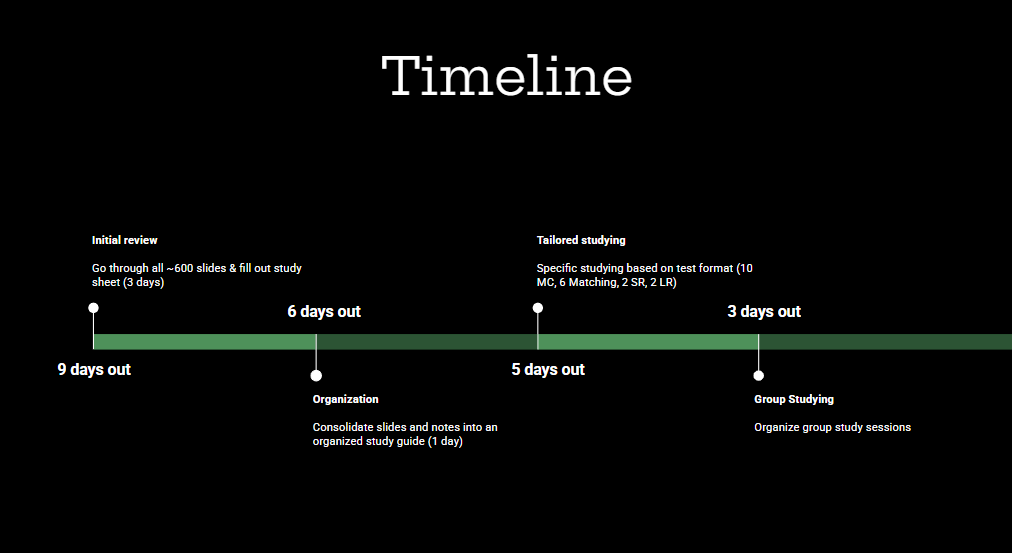
I started by looking ahead and taking note of when my exams were scheduled. I then reviewed the class content and made notes of what study and learning techniques I wanted to apply. A few things I wanted to add were intermittent studying, reinforcement schedules, and consolidation techniques.  From there began to create a study timeline. 

I had attempted to do a more simplified version of this in prior years, but never forced myself to see it all the way through. Taking the time to plan ahead, study with breaks in between to workout or meditate so I could start my next chunk of studying refreshed, and give myself adequate time to study was very helpful, and it only took a couple of days.

I was able to apply the general studying timeline to all of my final exams, even though the assignment was only for one. Knowing that the hardest thing for me in previous years was feeling overwhelmed as my exams approached, I made sure that I was following the steps I had planned out every day. 
Reflecting on this method after all of my exams were over, I realized that it was more beneficial than I had expected to take some time beforehand to develop a study plan. I also started to apply different forms of this strategy while working this summer. When I had multiple tasks due with similar deadlines, I would plan my week out and designate chunks of time for the various tasks. This allowed me to stay on top of all of my work and have enough time afterward to make adjustments and fix anything that my manager or other team members suggested.
Organized Success

During the fall of 2025, I continued my summer internship through the end of November with the Corporate Development team at Constellation Brands. My primary assignment was to build a financial model for a company we were evaluating as a potential investment opportunity. The project required attention to detail and thoughtful analysis.

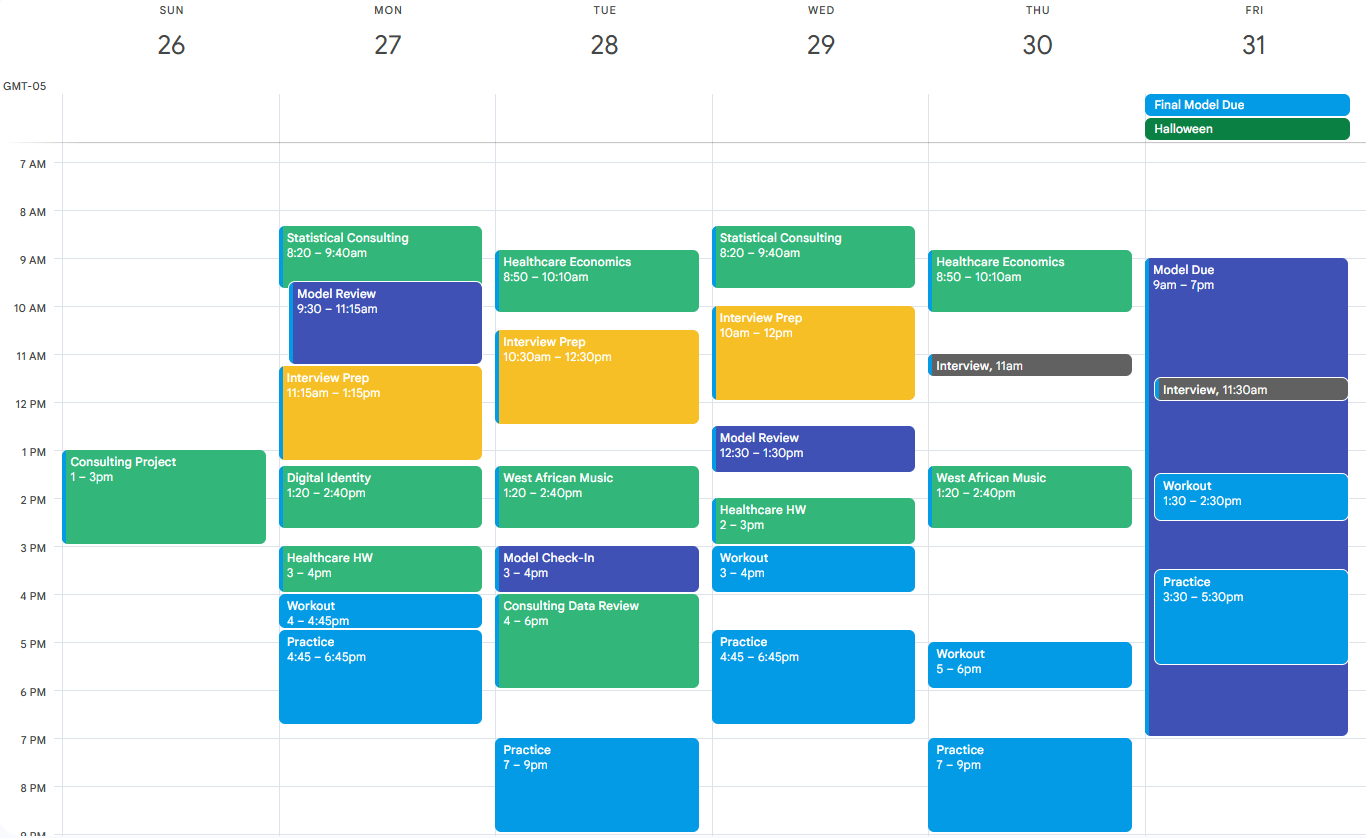
On top of my academic workload and responsibilities as a member of the hockey team, I had to find 10–12 hours each week to dedicate to the internship. Every Sunday, I sat down with my schedule to map out my responsibilities and ensure I blocked enough time to complete all tasks. I used the Tasks app in Google Workspace to track deadlines and plan what I needed to accomplish each day.

The week my deliverables were due, hockey practice had officially started, and I had two interviews to prepare for. I knew every minute mattered. Drawing on past experience working under tight deadlines, I broke my responsibilities into smaller, manageable milestones. Each day, I set aside two-hour work blocks for each priority. I made sure to keep my coworkers informed about my availability and overall schedule so our expectations were aligned.

The biggest takeaway from this experience was the importance of proactive communication. My team appreciated the transparency, and it allowed us to plan meetings and review sessions efficiently, so everything was completed on time. This experience strengthened my ability to balance multiple commitments while staying organized, accountable, and collaborative, and helped give me confidence in my ability to handle high-pressure and stressful periods in both academic and professional settings.

Lessons From a Championship Team

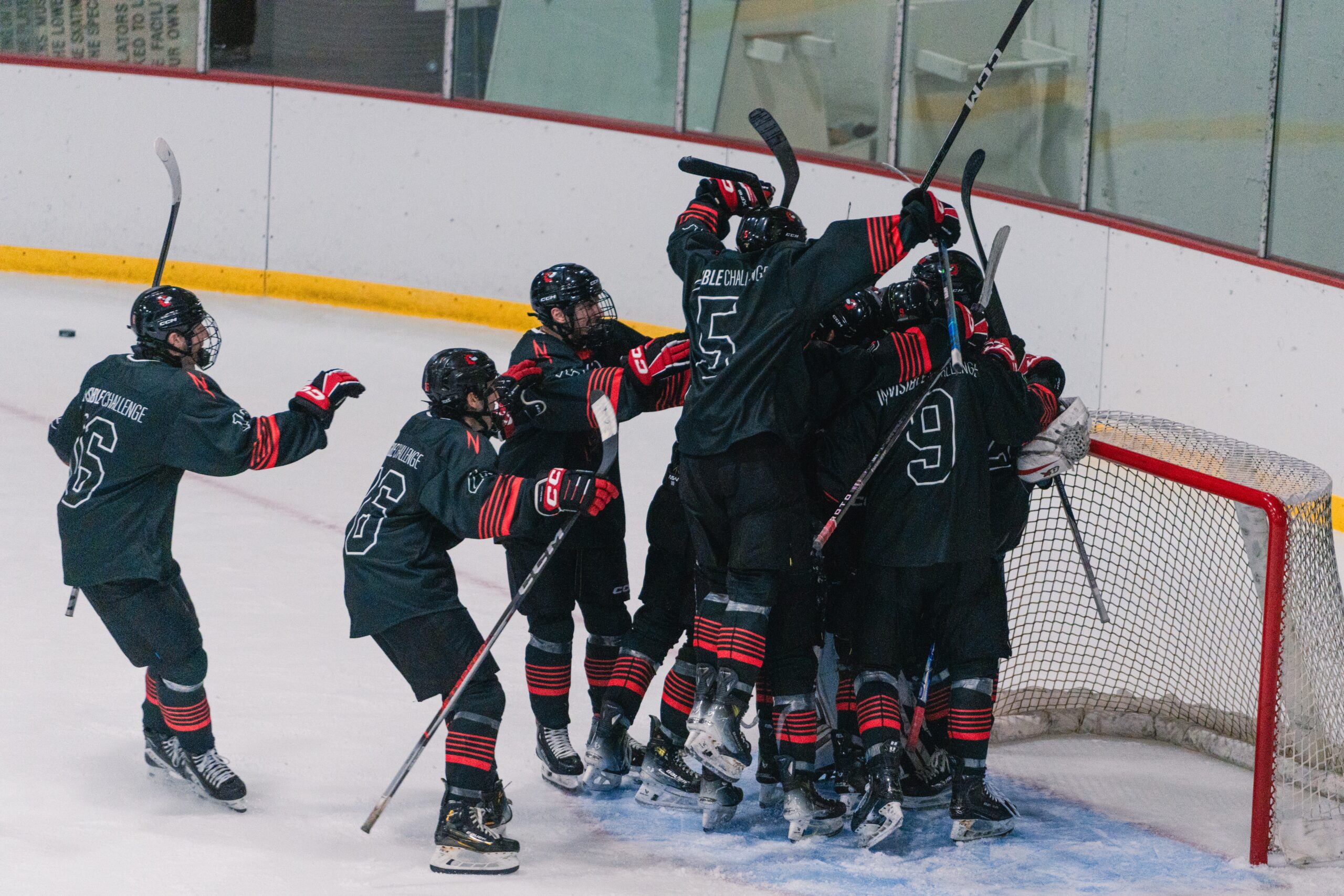
During my freshman season (2022–2023), our team won the NESCAC regular season championship. That group was one of the best teams I’ve ever been part of, with everyone willing to do their part to contribute to the team as a whole.

We started the season undefeated in regulation through our first 15 games, and a lot of that success came from the leadership and example set early on by the senior class. They always emphasized that Wesleyan men’s hockey would be the closest team any of us would ever play on, and because of that, everyone bought in—staying on the ice after practice to work on individual skills or going to extra lifts to stay in shape.

Being part of that team taught me early in my college career how important teamwork is and how valuable it is to have a group that’s fully committed to the same goal. Going into the fall of 2025, before my senior year, I tried to make that mindset a theme for our team. After experiencing both the highs of success and the lows of missing the playoffs during my sophomore and junior years, I knew how important it was to have everyone pushing in the same direction.

The Power of Staying Connected

Ever since my senior year of high school, I’ve been fascinated by the financial industry. In AP Economics, one of my classmates’ dads came in to talk about his career as a CFO, and that really stuck with me. It motivated me to start exploring different paths in finance once I got to Wesleyan. A few of my hockey teammates recommended I join the Wesleyan Investment Group (WIG), so I went to the first meeting.

At that meeting, I was introduced to the idea of networking and how important it is—not just for learning from others, but also for building relationships that could help me down the line. I even created my first Google spreadsheet to track networking conversations. I’ve continued using that same spreadsheet ever since, updating and expanding it as my connections have grown and as I’ve gotten more detailed about what I record.

Today, I still track every conversation I have with people across different roles and industries. One piece of advice from an early WIG meeting was to stay up to date on what’s happening in the financial world. To do that, I start most mornings by reading three articles on different topics—something happening in the markets, changes in monetary policy, or recent strategic moves companies are making.

Keeping organized notes on my conversations and staying informed about the industry has made a huge difference as I’ve started exploring full-time job opportunities as a senior.

Data Visualization in the Age of AI

During the Fall 2024 semester, I took a psychology course built entirely around one major project. We were free to pursue any topic as long as it involved data analysis, so I chose to explore data visualization using artificial intelligence—a direction inspired by the rapidly evolving role of AI in the world.

The early stages of my project involved a lot of trial and error as I experimented with different datasets to understand what ChatGPT could reliably interpret and visualize. Pushing these boundaries on my own was eye-opening, especially when I discovered limitations such as the model’s cell cap for Excel files—going even one cell over often caused it to generate inaccurate values.

I met weekly with my professor to discuss progress, challenges, and potential next steps. These meetings strengthened my problem-solving skills and taught me how to clearly present what I had accomplished and what I planned to tackle next.

The first phase of the project focused on basic visualizations—box plots, dot plots, bar charts—where ChatGPT performed well with consistent accuracy. But my ultimate goal was to generate a heat map of the United States, and that proved far more difficult. None of the AI tools I tested could create a fully accurate map; while the general shape of the U.S. appeared correctly, the state labels were often wrong or replaced with nonsensical text. I’ve continued revisiting this challenge as AI capabilities improve, and recently was able to successfully map the data.

Building a Band From Scratch

I’ve always loved music. Growing up, I played piano and string bass in orchestra, but I never enjoyed it as much as I wanted to because I couldn’t play the songs I actually liked. During the Spring 2025 semester, two of my teammates mentioned they were starting a band, and I told them I had found an old electric bass in my closet and would bring it back to school. Since we all had similar tastes in music, we started talking about songs we wanted to learn and prepare together.

We each practiced our parts on our own, and once we got back to campus, we started booking practice rooms once a week. What we initially thought would just be something fun to do a couple of times a week quickly became more serious—after our first session, we sounded way better than expected and began looking into open mic nights around town. I originally thought we’d have to go through every song bit by bit, but because everyone came so prepared, our parts fit together easily. The only things we really needed to work on were timing and speed.

Playing Live for the First Time

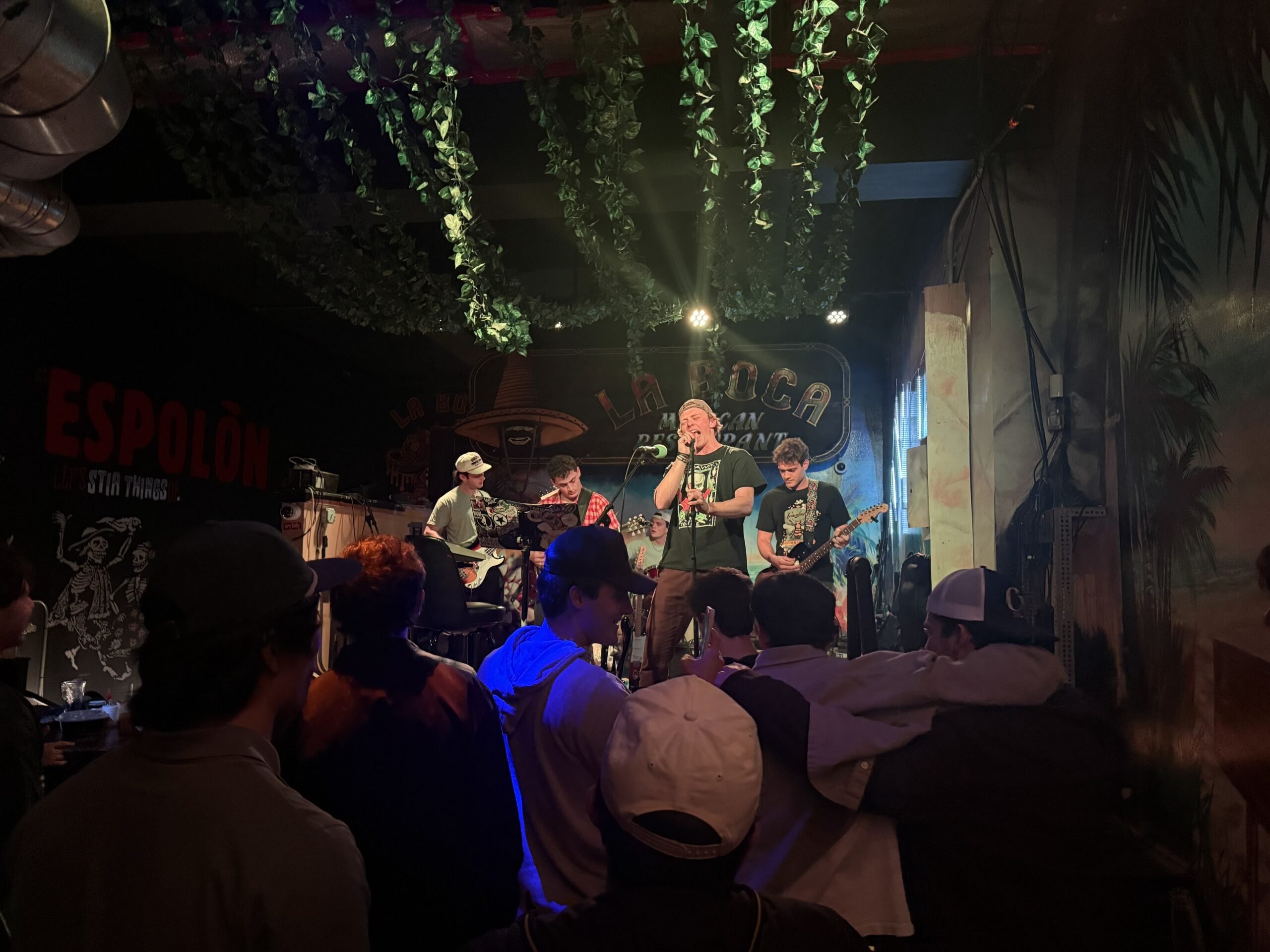
One Thursday that spring, we decided to play three of our songs at La Boca’s open mic. We spread the word, and our whole team and a bunch of friends showed up. We had low expectations since we were a brand-new band and most of us had little to no performing experience. I had never played electric bass before, but with my orchestra background, I knew I could pick it up. I spent extra hours teaching myself proper technique and practicing so I wouldn’t fall behind, and I’m glad I pushed myself outside my comfort zone.

Over the summer, we all kept practicing and learned a set of songs we agreed on for the fall. The biggest improvement since we started has been reading each other’s cues to stay in sync. We’re planning to play a lot more throughout the year, and being part of this band has become something I never expected to do but has been a great addition to my college experience.

css.php